
When most people think about truck crashes in Oregon, they picture a rear-end collision or a sideswipe on the highway. But some of the most devastating crashes involve underride accidents and oversize loads. Many drivers don’t even realize how dangerous these situations are until it’s too late.
At Dozier Law Group, we’ve seen firsthand how these crashes impact victims and their families long after the wreckage is cleared. When you need assistance with your underride & overside truck accident claims, we are ready to fight for you. When the stakes are this high, having an experienced legal team can make all the difference.
An underride accident happens when a smaller passenger vehicle slides underneath the side or rear of a tractor-trailer. Since commercial trucks sit higher off the ground, the top of a car can be crushed or sheared off on impact. This can happen even at moderate speeds.
Unfortunately, airbags and crumple zones do not offer protection in these collisions. That is why underride crashes are more likely to cause catastrophic injuries or fatalities. According to the Government Accountability Office, there have been about 219 fatalities annually from underride crashes involving large trucks on U.S. roads.
On the other hand, oversize load accidents are a little different. This happens when a truck is loaded well past the vehicle’s limitations. These vehicles require special permits, escort vehicles, and strict safety precautions.
When those rules are not followed, or when drivers misjudge turns, lane changes, or stopping distances, the massive load can strike nearby vehicles, tip over, or spill into traffic.
Due to the sheer size and momentum involved, this can leave drivers in smaller cars with almost no time or space to react.
In both scenarios, physics works against everyday motorists. A fully loaded commercial truck can weigh up to 80,000 pounds. When that imbalance is combined with sudden braking, sharp turns, or inadequate safety equipment, the consequences are devastating.
Underride and oversize load accidents can lead to traumatic brain injuries, spinal cord damage, amputations, or loss of life.
Dozier Law Group has years of expertise in Portland and throughout Oregon, navigating truck Accident laws. Trust our team for effective representation, as we leverage our deep understanding of local regulations and a track record of success to guide you through the complexities of trucking accident litigation
Underride and oversize load accidents are the result of preventable safety failures that put everyday drivers in impossible situations.
One of the most common causes of underride crashes is missing, damaged, or defective underride guards. These metal barriers are supposed to stop a car from sliding underneath a truck during a collision. Improper installation or poor maintenance can mean that these features fail at the moment they’re needed most. Sometimes, trucks operate with guards who do not meet safety standards.
Poor visibility is another factor, especially in Portland. At night, in heavy rain, or during early morning hours, the rear or side of a tractor-trailer can be hard to see. This can happen if reflective tape is missing or worn. A sudden slowdown in traffic can leave a driver with little warning that a truck is directly ahead. In turn, that can lead to a catastrophic underride collision.
Sudden braking also leads to accidents. When a truck driver brakes hard without enough following distance or warning, those smaller vehicles may not have enough time to stop. With the height difference between vehicles, a passenger car can slide underneath the trailer even at a low speed.
Oversized load accidents are caused by improper planning or load management. When the cargo is not balanced correctly, shifts during turns or braking can destabilize the truck. In some cases, warning flags, lighting, or escort vehicles are not used. This can leave other drivers unaware of the oversized hazard sharing the road.
Driver-related issues also come into play. Fatigue is a serious concern in the trucking industry. Many companies pressure their drivers to meet delivery deadlines. These tired drivers have slower reaction times. In turn, they are more likely to miss hazards or make abrupt maneuvers. Additionally, improper maintenance of brakes, underride guards, and other safety systems can turn a manageable situation into a deadly one.
When corners are cut, drivers in smaller vehicles pay the price.
One of the most confusing parts of an underride or oversize truck accident case is figuring out who is responsible. Many times, liability involves multiple parties.
As in any accident, the driver’s actions and behavior are questioned. If they were speeding, fatigued, distracted, or failed to follow safety procedures, they may be directly liable for the crash.
After that, the trucking company may be liable. Under a legal concept called vicarious liability, employers are responsible for the actions of their drivers when those drivers are operating within the scope of their job. So, if the driver was working at the time of the crash, the company may be legally on the hook.
Trucking companies control critical safety decisions. They set delivery schedules, enforce hours-of-service rules, and decide whether vehicles are properly inspected and maintained. If a company pressures drivers to meet unrealistic deadlines or cut corners on safety equipment, that responsibility does not disappear after an accident.
Also, there may be third-party defendants involved. Maintenance contractors can be liable if they fail to repair or inspect underride guards, brakes, or lighting systems. Cargo loaders or logistics companies may share fault if an oversize load was not secured, balanced, or marked correctly. Even manufacturers can be implicated if a defective underride guard or safety component failed during the collision.
Since these cases often involve multiple insurance policies and corporate entities, trucking companies and their insurers tend to push blame around to minimize payouts. For that reason, your trucking accident lawyer will work hard to identify every responsible party and prove how their actions contributed to the crash.
When it comes to underride protection and oversize loads, the rules are clear. They exist for one reason: to keep people on Oregon roads alive.
At the federal level, the Federal Motor Carrier Safety Administration (FMCSA) sets safety standards that apply to most commercial trucks operating in and through Portland. One of the most important rules involves rear underride guards. These metal bars are designed to prevent smaller vehicles from sliding underneath a trailer during a collision. FMCSA regulations require underride guards to meet specific strength, height, and installation standards.
Oversized and wide-load trucks also have to follow a set of rules. Trucks hauling oversized cargo must obtain special permits, follow approved routes, and comply with marking and visibility requirements. Many times, they need warning signage, flags, lighting, and, in some cases, escort vehicles. In Oregon, these permits are regulated because wide loads pose unique dangers on busy corridors like I-5, I-84, and surface streets throughout Portland.
Why does all this matter for your injury claim? Proving a violation of FMCSA or Oregon trucking regulations can strengthen a negligence case. When a trucking company or driver ignores mandatory safety standards, it’s evidence that they failed to act reasonably under the law. In some cases, these violations can support a claim of negligence. With that, the focus shifts from whether the defendant was careless to how much harm their conduct caused.
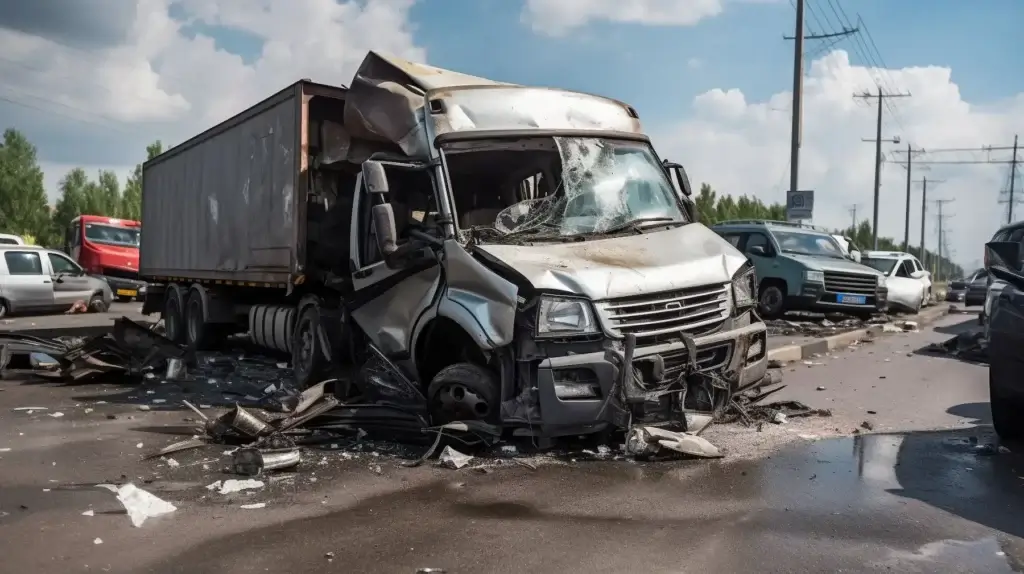
A rear underride accident occurs when a passenger vehicle strikes the back of a trailer and slides underneath it, while a side underride occurs when a car slides under the side of a trailer, often during a truck’s U-turn or lane change. Both types are extremely dangerous, but rear underride guards are currently more regulated by federal law than side guards.
Yes, trucking companies are often liable if they fail to follow permit requirements, such as using escort vehicles or properly marking wide loads with flags and lights. If the company ignores safety protocols or the driver exceeds the hours-of-service limits while hauling an oversized load, they can be held responsible for resulting damages.
In Oregon, the statute of limitations for most personal injury claims, including truck accidents, is two years from the date the accident occurred. However, specific notice requirements may apply if a government entity is involved, so it is critical to consult with a lawyer immediately to avoid missing legal deadlines.
When you’re seriously injured in an underride or oversize truck accident, you’re not just dealing with a crash. You are going up against well-funded trucking companies and aggressive insurance carriers whose goal is to pay as little as possible, as quickly as possible. You need the right legal team on your side.
At Dozier Law Group, we step in to level the playing field. From day one, we handle all communication with insurance companies, so you don’t have to worry about recorded statements, lowball settlement offers, or pressure to accept blame.
Truck accidents are not handled like standard car crashes. They often require full-scale litigation, including subpoenas for black box data, maintenance records, driver logs, and oversize load permits. When trucking companies refuse to take responsibility, Dozier Law Group is fully prepared to take the case to court and hold them accountable.
If you were hurt in an underride or oversize truck accident in Portland or anywhere in Oregon, Dozier Law Group is ready to stand between you and the trucking company. We will fight for you every step of the way. Schedule a consultation today.