
Car accidents do not always leave visible scars. Some injuries are immediate and obvious. But others develop slowly. This can happen days or even weeks after a crash.
When you know the type of injuries commonly seen in car accidents, it can help you recognize symptoms early. With this information, you can seek proper medical care.
Along with that, Dozier Law Group is ready to protect your legal rights if another driver’s negligence caused the crash. Here are some of the injuries our law firm sees most often after car accidents.
Whiplash is a common car accident injury, especially in rear-end collisions. It happens when the head and neck are violently thrown forward and backward. This motion stretches muscles, ligaments, and tendons beyond their normal range.
Symptoms may include:
Soft tissue injuries do not always appear on X-rays or scans. Unfortunately, this is why insurance companies try to downplay them.
But these injuries can be painful, persistent, and disruptive to daily life. Without proper treatment, they may lead to chronic pain or long-term mobility issues.
Back injuries are also common in car accidents. They range from muscle strains to serious spinal trauma. Even low-speed crashes can compress the spine or cause discs to shift.
Common spinal injuries include:
Spinal cord injuries are extremely serious. Sometimes, they may lead to partial or complete paralysis. Even minor spinal injuries can require months of physical therapy. These types of injuries limit your ability to work or enjoy everyday activities.
With years of expertise in Portland and throughout Oregon, we navigate car accident laws with precision. Our proven results demonstrate our commitment to holding negligent parties accountable. Trust our team for effective representation in seeking justice for car accident victims.
Head injuries are some of the most serious consequences of car crashes. A traumatic brain injury can occur even without a direct blow to the head. Many times, the brain can shift inside the skull during sudden deceleration.
Signs of a head injury may include:
Mild TBIs, like concussions, are underestimated. If they are left untreated, they can cause long-term cognitive and emotional issues. Those with severe TBIs may experience permanent disability and require lifelong care.
The force of a car crash can lead to fractures, especially in the arms, legs, ribs, and collarbones. Those high-impact collisions result in complex fractures. These injuries often require surgery, metal hardware, or long periods of immobilization.
Broken bones can lead to:
In some cases, fractures may not be immediately obvious, especially hairline fractures.
Seat belts save lives. Unfortunately, the force of impact can still cause injuries to the chest and internal organs. Trauma is common and results from airbags, steering wheels, and dashboards making contact with the body. Some internal injuries include:
Internal injuries can be life-threatening. Many times, they are not always immediately apparent.
Lower-body injuries happen when the dashboard, pedals, or floorboard collapse during impact. Knees and legs will absorb force in frontal collisions. These injuries may include:
These injuries can affect mobility and independence. Sometimes, surgery or prolonged rehabilitation is required.
Shoulder injuries occur when drivers brace for impact. A deploying airbag also causes it. Rotator cuff tears, dislocations, and fractures are common. These arm injuries can interfere with:
Even injuries to the non-dominant arm can make an impact on a person’s quality of life.
Facial injuries may occur from broken glass or striking the interior parts of the vehicle. Even deploying airbags can lead to cuts or fractures to the teeth or face. These injuries can be physically painful and emotionally distressing.
They may include:
Reconstructive surgery and dental care can be expensive and require multiple visits to a surgeon.
Many people experience emotional distress after a crash, especially when the accident was violent or life-threatening. Car crash victims might be left dealing with:
Emotional injuries are real and valid. They can affect relationships, work performance, and a person’s well-being.
Early diagnosis not only improves the outcome of these injuries but also protects your legal claim. With medical records, you have a clear link between the accident and your injuries. That can help when insurance companies closely scrutinize the accident and your injuries.
Failing to seek treatment right away may allow insurers to argue:
When you get evaluated early, that helps make sure you receive proper treatment and fair compensation.
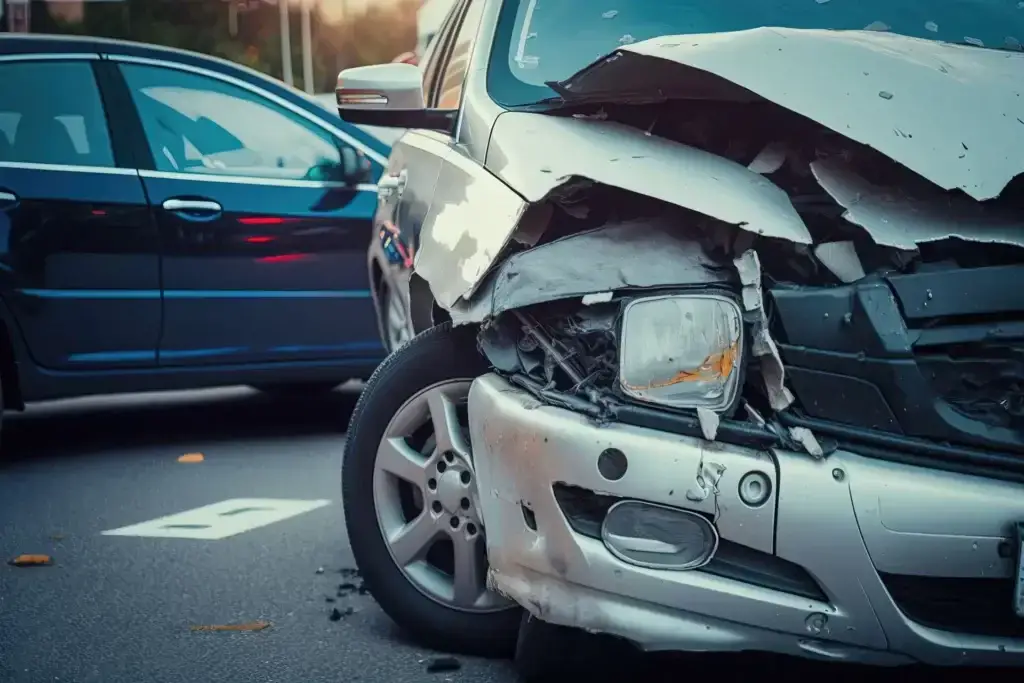

Some car accident injuries never fully heal. Chronic pain, reduced mobility, permanent disability, or the inability to return to work can change your life forever. Some of these long-term consequences may include:
These impacts should be fully considered when pursuing compensation after a crash.
Yes. Many injuries, including concussions and soft tissue damage, don’t cause immediate symptoms. A medical evaluation helps catch issues early and creates a record linking the injury to the crash.
Delayed inflammation or nerve involvement can cause symptoms to escalate over time. You can still seek treatment and pursue a claim as long as medical providers connect the condition to the accident.
Yes. Some injuries lead to chronic pain, limited mobility, or lasting neurological issues. These long-term effects should be considered when evaluating medical needs and potential compensation.
Mental health injuries are documented through evaluations by licensed professionals, treatment records, and personal impact statements. Anxiety, PTSD, and depression after a crash are recognized and compensable injuries.
If an injury limits your ability to work, it may affect both short-term income and future earning capacity. Medical opinions and employment records are used to show how the injury impacts your career and daily life.
If you’ve been injured in a car accident, your health comes first. Get medical care, follow treatment recommendations, and document your recovery.
At the same time, you still need to know how injuries could affect a personal injury claim. At Dozier Law Group, our experienced car accident lawyer can help connect the dots between the crash, your injuries, and the compensation you may be entitled to recover.
Schedule a consultation today.