
Truck accidents involve massive vehicles, complicated logistics, and multiple layers of responsibility. Figuring out who is liable in an Oregon truck accident can be confusing, even for experienced drivers.
Was it the truck driver’s error? A company pushing unsafe schedules? Or maybe a poorly maintained truck or unsecured cargo?
At Dozier Law Group, we know the ins and outs of trucking regulations, corporate responsibility, and insurance tactics. We help injured victims understand exactly who may be responsible. Our team is here to protect your rights and make sure you receive full compensation for injuries, lost wages, and other damages.
Determining fault in an Oregon truck accident is complicated because commercial trucking involves more than just the driver behind the wheel. Drivers are bound by strict federal regulations, from Hours-of-Service limits to vehicle inspection requirements. Their decisions are directly linked to the trucking company that employs them.
That means a single crash can have multiple layers of responsibility; all potentially contributing to the accident.
Oregon follows a modified comparative negligence rule. This means an injured person can recover damages as long as they are 50% or less at fault for the accident. Any compensation is then reduced by the percentage of fault attributed to the victim. For example, if you’re found 20% responsible in a $100,000 settlement, your recovery drops to $80,000.
Since fault can be shared across several parties, establishing responsibility early and accurately is important. Your lawyer will go through the process of:
With their help, your claim reflects the full scope of the accident, rather than leaving insurance companies to cherry-pick facts in their favor.
Dozier Law Group has years of expertise in Portland and throughout Oregon, navigating truck Accident laws. Trust our team for effective representation, as we leverage our deep understanding of local regulations and a track record of success to guide you through the complexities of trucking accident litigation
Truck accidents rarely have a single at-fault party. Since commercial trucking is a system of moving parts, multiple entities can share responsibility for a crash. Many times, determining Oregon semi-truck crash liability requires looking beyond the driver’s actions to the bigger picture of how the truck was operated, maintained, and managed.
Depending on the circumstances, liability may involve:
In more severe crashes, like jackknife accidents on the highway or dangerous underride collisions, pinpointing every responsible party can make a major difference in the amount of compensation available. The more parties that share liability, the more potential insurance coverage exists. This makes sure that injured victims are fully compensated for medical bills, lost wages, pain and suffering, and long-term care.
In many Oregon truck accidents, the driver isn’t the only party on the hook. Trucking companies can be held responsible under the legal doctrine of vicarious liability, also known as respondeat superior. This means, if a driver causes a crash while performing their job, the employer can be legally liable for the consequences.
But liability doesn’t stop there. Trucking companies can also be directly responsible for negligence that contributes to accidents. Some examples include:
These failures aren’t minor technicalities. In serious truck accidents, it can be the difference between a manageable collision and a catastrophic crash with life-changing injuries. Insurance companies know this. That is why they push back hard, trying to pin blame solely on the driver.
A Portland truck accident lawyer can dig into the corporate side of liability. We can review internal policies, maintenance records, and driver logs to hold the trucking company accountable. Identifying systemic issues like these makes sure that injured victims aren’t left fighting for compensation against only the driver, especially when multiple layers of negligence contributed to the crash.
When it comes to truck accidents, the rules are federal. Commercial drivers operate under FMCSA regulations. These are designed to prevent fatigue, overwork, and unsafe practices. That means violations of these rules can be strong evidence of negligence in a crash.
One of the most important tools for tracking driver compliance is the Electronic Logging Device (ELD). These devices record hours of service, rest breaks, and driving time, giving a clear picture of whether a driver was legally operating the truck. If a driver ignores these limits, skipping rest breaks, or driving beyond federally mandated hours, it can be a major factor in liability claims.
Other data sources can also come into play:
Insurance companies know the power of evidence. This is why they move quickly to interpret it in their favor.
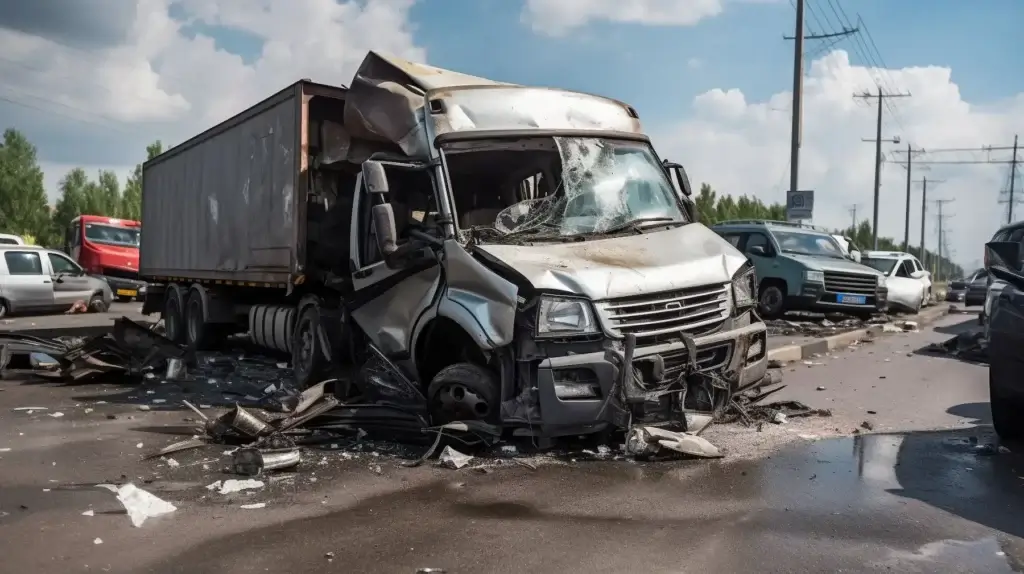

Truck accidents don’t always boil down to the driver or trucking company alone. Sometimes, the crash is influenced by third-party negligence, like faulty maintenance or improperly secured cargo. These factors can be important in determining liability, and sometimes, overlooked by insurers. For example:
Identifying these parties requires a careful, investigative approach. Photos from the crash scene, inspection records, and expert analysis can reveal details that aren’t immediately obvious.
By pursuing every responsible party, victims maximize the compensation they’re entitled to while sending a clear message that cutting corners in trucking operations has consequences.
Yes, under the legal doctrine of vicarious liability, trucking companies are generally responsible for the actions of their employees while they are on the job. You may also be able to sue the company directly for independent negligence, such as failing to perform background checks or forcing drivers to exceed federal driving hour limits.
Oregon follows a modified comparative negligence rule, meaning you can still recover damages as long as you are not more than 50% responsible for the accident. However, your total compensation will be reduced by your percentage of fault. For example, if you are found 20% at fault, your final settlement would be reduced by 20%.
Proving driver fatigue involves analyzing Electronic Logging Device (ELD) data, cell phone records, and toll receipts to check for Hours-of-Service violations. Attorneys also look for a lack of skid marks at the scene, which often suggests the driver fell asleep and failed to brake before impact.
Proving liability in a truck accident isn’t just about pointing fingers. This is about connecting the dots between multiple parties, federal regulations, and physical evidence.
After a serious collision, the team at Dozier Law Group immediately begins piecing together the story behind the crash. This often involves:
From complex commercial liability to negotiating with large corporate insurers, our goal is to protect injured clients and make sure they get the compensation they deserve without getting lost in the maze of regulations, logs, and legal red tape. Schedule your consultation today.