
Portland drivers might like to think they are laid-back and cautious compared to drivers in some cities. But between congested bridges, unpredictable weather, distracted drivers, and a mix of cars, cyclists, pedestrians, and rideshare vehicles, car accidents happen every single day.
At Dozier Law Group, we are here to break down the most common causes of Portland car accidents and explain how each one can affect a personal injury claim.
This all matters when it comes to determining fault, dealing with insurance companies, and protecting your rights after a driver-involved car crash.
Driving while distracted is one of the leading causes of car accidents in Portland. Despite Oregon’s strict laws against handheld phone use, drivers continue to text, scroll, check navigation apps, and record videos while behind the wheel.
These distractions are not limited to phones. Eating, adjusting music, talking to passengers, or managing rideshare apps all take attention away from the road.
From a legal standpoint, distraction is a form of negligence. If a driver failed to pay attention and caused a crash, they may be held responsible for the injuries and damages that followed.
Portland may not feel like a fast city, but speeding is still a major contributor to crashes, especially on highways like I-5, I-84, and Highway 26. Speeding reduces reaction time. In turn, that increases the severity of injuries when a collision occurs.
Aggressive driving behaviors go hand in hand with speeding, including:
These behaviors are dangerous when traffic patterns change quickly, and pedestrians and cyclists are everywhere.
In accident claims, speeding can impact liability. Even if another driver made a mistake, excessive speed can shift fault or reduce compensation under Oregon’s comparative negligence rules.
With years of expertise in Portland and throughout Oregon, we navigate car accident laws with precision. Our proven results demonstrate our commitment to holding negligent parties accountable. Trust our team for effective representation in seeking justice for car accident victims.
Despite public awareness campaigns and strict penalties, impaired driving remains a serious problem. Alcohol, marijuana, prescription medications, and illegal drugs all impair judgment, reaction time, and coordination.
DUI-related crashes result in severe injuries or fatalities, especially at night or on weekends.
From a legal perspective, DUI cases are different. When an impaired driver causes an accident, courts may apply negligence per se. That means the violation of DUI laws itself helps establish fault.
For victims, this can strengthen a personal injury claim and possibly open the door to additional damages.
Portland weather plays a bigger role in some crashes. Rain is the most common culprit. When the first rain hits after a dry stretch, oil and debris can make roads slick.
These weather-related accident factors include:
While the weather itself is not a fault, drivers are still expected to adjust their behavior. Driving too fast for conditions, following too closely, or failing to maintain tires can all lead to liability, even in bad weather.
Failure to yield is a huge issue in Portland, especially at:
Portland’s large pedestrian and cycling culture means drivers must constantly share the road. Unfortunately, not all drivers pay attention or understand the rules.
Accidents involving failure to yield often lead to disputes about who had the right of way.
Uber, Lyft, DoorDash, and other app-based services are now part of everyday life in Portland. Unfortunately, they have also become a growing cause of accidents.
Rideshare and delivery drivers can be:
These rideshare crashes can be complex because insurance coverage depends on what the driver was doing at the time of the accident. Personal policies, commercial coverage, or company-provided insurance may apply to these situations.
Portland attracts tourists, new residents, and college students year-round. Many are unfamiliar with local traffic patterns, bike lanes, streetcar routes, or Portland’s unspoken driving norms.
These issues include:
While being unfamiliar with the area is not an excuse for unsafe driving, it explains how accidents happen. This still creates legal responsibility when someone is injured.
Ongoing construction is a fact of life in Portland. Lane closures, uneven pavement, unclear signage, and temporary traffic patterns can all contribute to crashes.
Some accidents are caused by:
When road design or maintenance contributes to an accident, a government entity or contractor may share responsibility. These cases involve special rules and shorter notice deadlines.
Intersections are one of the most dangerous places to drive in Portland. Running red lights and stop signs continues to cause serious side-impact collisions. This can result in head, neck, and spinal injuries. These crashes occur when:
Red-light and stop-sign violations are usually well-documented through traffic cameras, police reports, and witness statements. This makes fault easier to establish in many cases.
Fatigue does not get the attention it deserves, but it is a major cause of accidents, especially with shift workers, long-distance commuters, and delivery drivers. Tired drivers experience:
Fatigue-related crashes look similar to DUI accidents and can result in severe injuries. If you have a car crash claim, fatigue can be proven through work schedules, driving logs, and accident reconstruction.
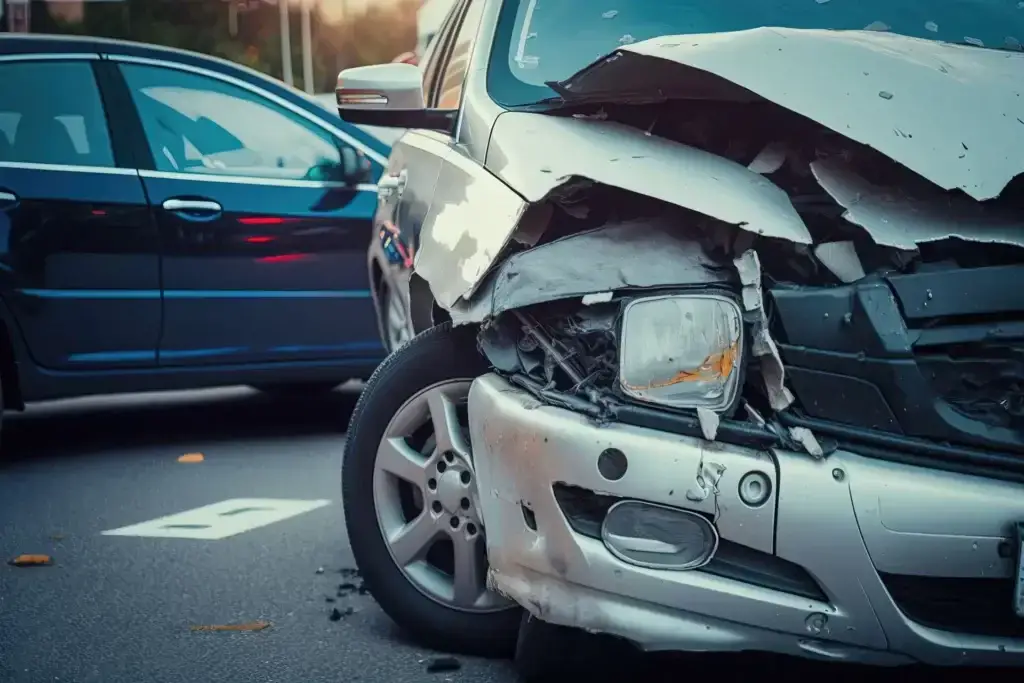

Knowing the common causes of car accidents in Portland isn’t just useful information. This can directly affect your ability to recover compensation after a crash. When you’re injured, the why behind the accident matters as much as the fact that it happened.
The cause of the crash helps determine who is responsible. Oregon is a fault-based state. That means the driver whose actions caused the accident may be financially responsible for the damage that followed.
Whether the crash happened because someone was distracted, speeding, impaired, or not paying attention, identifying that cause creates the starting point for your claim.
It also plays a big role in how blame is divided. Many Portland accidents are not black-and-white. One driver may have been rushing through an intersection while another was checking a phone.
Insurance companies seize on these gray areas. They try to shift part of the blame onto injured drivers to reduce what they pay. Knowing the true cause and having evidence to support it helps protect you from unfair fault arguments.
The cause of the accident also determines which insurance coverage applies. Rideshare crashes, delivery driver accidents, commercial vehicle accidents, or accidents involving government property all follow different insurance rules. Without knowing how the crash happened, victims can end up dealing with the wrong insurer or accepting less than they deserve.
Finally, understanding the cause affects the amount of compensation that may be available. Medical bills, lost income, ongoing care, and pain and suffering don’t exist in a vacuum. They are tied directly to what caused the crash and how preventable it was. Substantial evidence, such as police reports, witness statements, and crash data, can make a real difference when insurers push back.
Insurance companies look closely at accident causes because it helps them protect their bottom line. Having someone who understands how these cases work and who knows how to tell your side of the story clearly helps level the playing field.
It’s usually best to wait. Insurers often want to inspect the vehicle to evaluate damage and determine how the crash occurred. Repairing the car too early can make it harder to document the full extent of property damage.
Out-of-state drivers are still subject to Oregon traffic laws if the crash happened here. Claims can be filed through their insurance company, but jurisdiction and coverage issues can complicate the process, especially if multiple states’ laws are involved.
Yes, dashcam footage can be valuable. It may show the moments leading up to the crash, traffic signal timing, or unsafe driving behavior. This type of evidence can help counter disputed fault or exaggerated insurance claims.
Delayed symptoms are common, especially with soft-tissue injuries, concussions, or back pain. You can still pursue a claim as long as medical records connect the injury to the accident. Seeking medical care promptly helps protect both your health and your claim.
Yes. Oregon law provides additional protections for pedestrians and cyclists, especially in crosswalks and bike lanes. These cases often involve heightened driver duties and can affect how fault and damages are evaluated.
After a car accident, the common causes of accidents in Portland matter.
At Dozier Law Group, we take that burden off your shoulders. Our team investigates the cause of the crash, identifies every potentially responsible party, and handles the insurance companies so you don’t have to worry.
Schedule a consultation to learn about how we can help with your claim.